



Frenchman Manu Cornet spent 14 years at Google and two at Twitter. At first, he enjoyed the pioneering spirit and ethics of the tech world. But Silicon Valley changed and he expressed his disappointment in the form of gently rebellious caricatures, causing a few C-suite frowns. Cornet recounts what happened at Twitter – the inside story – when billionaire Elon Musk acquired the network.
Interview by Sophie Gherardi.
What happened when Elon Musk turned up at Twitter?
Manu Cornet: Nothing much happened at first, and then suddenly it was all at once. It took him six months to finalise the deal. I’m looking forward to reading the story of what went on behind the scenes when it all comes out. Was it an impulse buy, or a financial manoeuvre to justify selling truckloads of Tesla shares? Whatever it was, he bought Twitter for 44 billion dollars. Way more than its stock market value. On the face of it, there’s nothing wrong with that. Except that in the interval between his initial announcement and the actual sale, the tech economy took a dive. For Twitter staff, who needed to know what fate had in store for them, the wait was unbearable.
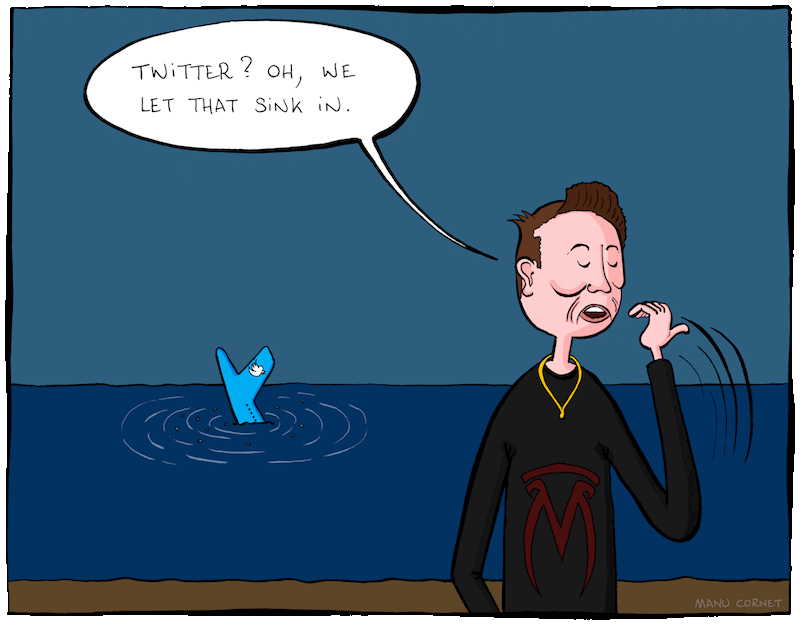
© Manu Cornet
When Elon Musk turned up at Twitter HQ with a sink – for “let that sink in” – I laughed at the pun. My amusement was short-lived. Rumour had it that he was going to lay off 75% of the workforce. Others said 50%. I was the first engineer to get the sack. But the manager who fired me, his boss, his boss’s boss and those above them were all let go too shortly after.
‘When you want to fire over half the workforce, any excuse will do’
What did they have against you?
The most obvious reason I can see is that I made a little tool to help people back up data from their work email if they lost their job. Nothing confidential, just stuff that would be useful to put on their CV. But like any tool, it can be dangerous in the wrong hands. In any case, HR are not in the business of helping staff bounce back and I was fired barely an hour after I released my solution. Still, when you want to fire over half the workforce, any excuse will do.
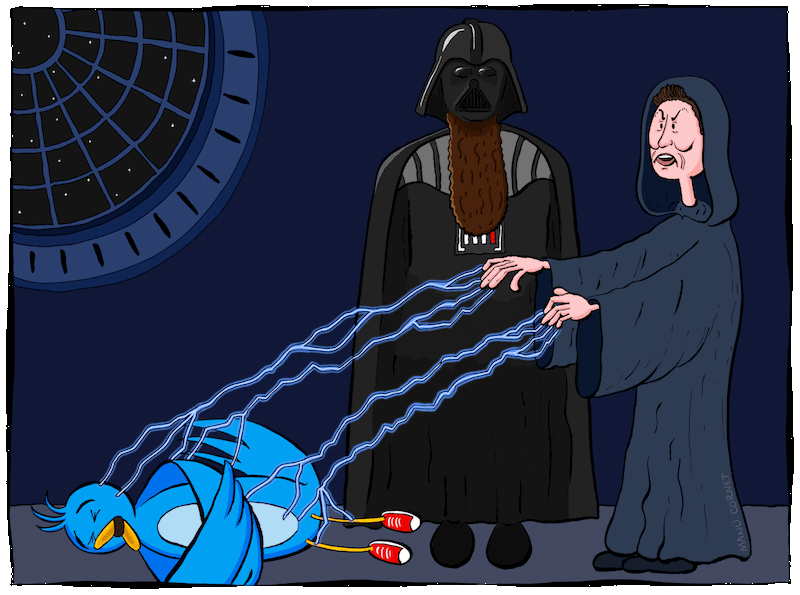
© Manu Cornet
When you were hired at Twitter 18 months earlier, did they know you did comics about tech companies?
I don’t think so. In my field, you’re interviewed by a fellow engineer. Top management don’t really get involved. They just need to make sure that the person they hire is a good fit and isn’t going to be left in a corner. Twitter was smaller than Google, where I had spent 14 years. Ethics were a big issue, as they were at Google in the beginning. I only got a ye
…Subscribe to Philonomist and gain free access to all our content and archives for 7 days. You'll also receive our weekly newsletter. No commitment. No bank details required.
You're already subscribed to Philonomist via your employer?
Connect to your account by filling in the following details (please provide your professional email address).
